A first date in India needs a practical plan, not a test of trust. Agree on a staffed public venue, travel independently, tell a trusted person when to expect your check-in, and keep enough money to leave. Meeting someone through a herpes or STI dating community does not remove these everyday precautions.
This guide helps you move from a conversation to a manageable first meeting, including what to do when the plan changes. It belongs to our PositiveSingles dating guides. The suggested messages and planning examples are original illustrations, not accounts from members. No checklist can guarantee safety.
Key takeaways
- Choose a specific public venue, not just an area or a station.
- Keep control of your return journey and share a check-in plan.
- Do not send money to prove affection or unlock a meeting.
- In India, use 112 for an emergency and 1930 for help reporting financial cyber fraud.
When are you ready to meet someone from a dating site?
You are ready to consider a meeting when you want it, understand the basic plan and can say no without being pressured. There is no reliable number of messages or days that makes a stranger trustworthy. Look at how they respond to ordinary boundaries, including a public venue and an independent journey.
A brief voice or video conversation can help you decide whether you enjoy talking. It is not proof of identity, employment or good intentions. Equally, someone declining a call once may have a reasonable privacy concern. The useful distinction is between discussing an alternative calmly and demanding that you ignore your own discomfort.
Keep early conversations within the dating service when possible. Moving to a personal messaging account may reveal your phone number, photograph or other information. Our dating profile privacy guide explains how small details can connect an account to your offline life.
Consider an initial meeting as a short introduction rather than a full evening together. You might agree on tea after work or coffee on a weekend afternoon. State your available time clearly; you do not need to invent another appointment to justify leaving after the time you agreed.
How do you choose a first-date venue?
Choose a place with staff, other customers, clear access and a return route you can use independently. A café can work well, but the label alone means little. Check the exact branch, opening hours, prices and entrance. A public address is not useful if the venue is closed when you arrive.

Ask about the details that affect your comfort. Can you hear each other without sitting in an isolated corner? Is there step-free access if you need it? Does the menu suit your diet and budget? You can discuss these things without sharing your medical history or explaining every personal preference.
Check the venue yourself using its own contact details or a map you open independently. Avoid paying an unfamiliar person a booking fee through a link sent in chat. If a reservation is genuinely needed, contact the business directly and understand its cancellation terms before paying anything.
A last-minute suggestion to meet at a home, hotel room or parked car is a different plan. You can decline even after travelling. A useful reply is: “I’m still happy to meet at the café we agreed. If that doesn’t work today, we can leave it for another time.”
Build a journey and check-in plan
Plan how you will get home before deciding how you will arrive. Save the venue address and identify a return option that does not depend on your date. Check service times on the day, allow for delays, charge your phone and keep a payment method you control.
If you use a cab, book and review the journey through your own account. Keep your home address private during the meeting, and do not accept pressure to cancel your independent transport. If the first option becomes unavailable, wait near staff while you organise another route or contact someone you trust.
Tell one trusted person the venue, time, your date’s profile name and when you will check in. Share only what is useful for your safety. You do not have to disclose your diagnosis or the name of a specialist dating community to explain that you are meeting someone new.
Agree what the person should do if you miss the check-in, rather than assuming they will guess. For example, they might call you first and then act on the circumstances if they cannot reach you. Location sharing is optional and should be limited to someone you trust; it is not a substitute for an agreed response.
“I’m meeting someone at the café on Saturday afternoon. I’ll message you when I leave. If I haven’t checked in by the time we agreed, please call me.”
This sample avoids unnecessary health details while giving your contact a clear task. If you live with family or flatmates, consider where you can make that call privately. Privacy matters, but keeping the entire meeting secret can leave you without practical support if plans go wrong.
Keep consent separate from kindness and spending
Agreeing to tea does not mean agreeing to physical contact, a second venue or another date. Someone buying a meal or travelling a long distance does not change that. You can appreciate their effort and still leave. A boundary does not become less valid because the conversation initially went well.
Discuss the bill simply: “Shall we each pay for what we order?” Choose somewhere you can afford without depending on the other person. Keep your drink and belongings with you, and avoid drinking more than you intended because someone is ordering rounds or making refusal feel awkward.
You do not need to turn the first meeting into a full discussion of herpes. However, a pleasant date should not rush you into sexual contact before a clear health conversation. Our guide to telling a partner about herpes covers timing, sample wording and reliable information for that separate decision.
When something feels wrong, move towards staff or other people and leave if you can. You do not need to diagnose the other person’s intentions first. For immediate danger in India, contact the Emergency Response Support System on 112. Platform support is not an emergency service.
Recognise money requests before and after a date
Keep new romantic contact separate from loans, investment advice and account access. In its 31 October 2025 advisory on misuse of matrimonial platforms, India’s I4C describes false dating and marriage profiles that build emotional trust before introducing investment or cryptocurrency fraud.
An urgent request can sound personal: a travel problem, a medical bill or money needed to release a parcel. You are not responsible for solving a new contact’s financial emergency. Do not transfer money because a meeting depends on it, and do not allow an in-person meeting to become evidence that an investment is genuine.
What the official figures do, and do not, mean
In a March 2026 statement, the Ministry of Home Affairs reported that more than ₹8,690 crore had been saved through the financial cyber-fraud reporting system across more than 24.65 lakh complaints by 31 January 2026. These are broad system figures, not dating-scam totals or a guarantee that an individual will recover money.
Payment requests also deserve a pause. NPCI’s fraud-awareness guidance warns that scanning a QR code and entering a UPI PIN makes a payment; it is not how you receive money. Read the action and recipient on your own payment screen, and never share an OTP, password or UPI PIN in chat.
If you have transferred money and suspect fraud, contact your bank immediately through its official app or published number. Call 1930 for help reporting financial cyber fraud and use the National Cyber Crime Reporting Portal. Keep transaction references, dates, relevant messages and the profile link. Reporting quickly matters, but recovery is not assured.
Do not pay a person who contacts you claiming they can recover the money for a fee. Keep evidence private and provide it through official reporting channels. For suspicious behaviour within the dating service, use its reporting tools and PositiveSingles member support; this does not replace a bank or police report.
First-date planning across Indian cities
The best location depends on your actual journeys, not a city’s reputation. These examples show how to think through a plan; they do not identify approved venues or imply local member numbers. Confirm current transport options, weather and venue hours before leaving.
Mumbai: compare routes, not just distance
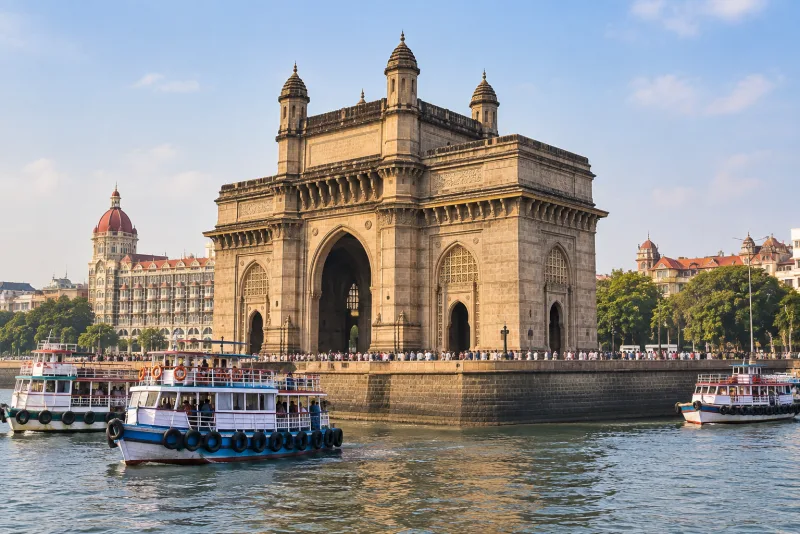
“Bandra” is not a complete meeting plan: a café near Bandra station and one in Bandra Kurla Complex can mean different final journeys. If you are arriving by suburban train, agree on the station, the onward journey and the exact café branch before accepting. Compare both routes rather than picking a landmark such as the Gateway of India simply because it is familiar.
Check current service information with Western Railway if your journey uses its suburban network. During heavy rain, agree to postpone instead of accepting an unplanned lift or a change to a private flat. Keep enough money and phone battery for your own return journey; a considerate date will not make you justify that boundary.
Delhi NCR: check the full door-to-door trip
A person travelling from Noida and someone coming from Gurugram may have very different ideas of a convenient Delhi meeting point. Connaught Place is one option to compare, not an automatic compromise. If you choose it, name the café’s block and entrance: “outside the Metro” is too vague for a first meeting.
Use the official Delhi Metro journey assistant to check your route, then allow for the journey between the station and the venue. Agree on a finish time that works for the person with the longer return. If a date sends a last-minute pin to another bar or asks you to pay a reservation fee through their contact, stop and verify the venue independently before travelling or paying.
Bengaluru: leave room for delays
If one of you is in Whitefield and the other suggests Indiranagar or MG Road, check the actual journey before agreeing to an after-work date. A popular neighbourhood is not necessarily convenient for both people. Compare the route using the Bengaluru Metro’s official station and fare information, including how you will reach the venue after leaving the station.
Choose one branch of a café, share its full address and keep the first meeting short enough to accommodate a delayed arrival. For example: “If either of us is more than 20 minutes late, let’s rearrange.” Traffic is a reason to change the time, not an obligation to go to someone’s nearby flat. Do not share your workplace entrance or daily commuting routine just to explain a delay.
Hyderabad: settle the practical details together
For someone starting in Miyapur and someone near HITEC City, a meeting in the Charminar area should be a deliberate outing, not a default choice based on a city postcard. Compare each person’s outward and return journey using Hyderabad Metro Rail’s official information and check the final stretch to the venue separately. A familiar station name does not tell you whether the café is a comfortable walk away.
Agree on the café branch and a language you both feel comfortable using; do not infer a preference for Telugu, Urdu, Hindi or English from a name. A short call can resolve those details without revealing your home address. If privacy about your health is important, choose a public place where you can talk without being overheard easily, rather than moving the first meeting to a private home.
Your checklist before leaving
Use these checks as reminders, not as a score that proves a date is safe. If something important is missing, pause and resolve it. You can return to our broader dating safety guidance for account security and reporting information.
Check your venue, journey and contact plan
After the meeting: decide without pressure
Complete the check-in you promised, including when the date went well. Then give yourself time to decide whether you want another conversation. Being relieved that a meeting was uneventful is not the same as feeling compatible. Think about whether you felt heard, respected and able to make ordinary choices.
If you would like to meet again, suggest a concrete next step that still suits your boundaries. If not, a brief reply is enough: “Thank you for meeting me. I don’t feel we’re the right match, so I won’t be taking this further.” You do not owe a debate about your decision.
Common first-date questions
Should I accept a lift home?
For a first meeting, keeping your own return plan avoids depending on someone you barely know and sharing your address sooner than intended. You can decline politely without questioning their intentions. If transport fails, stay near staff and organise another option yourself or with a trusted contact.
Does a verified profile make a meeting safe?
No profile badge can establish everything you need to know about someone or guarantee their behaviour. Check what the service actually verifies, and retain ordinary precautions. Shared health experiences can make conversation easier, but they do not establish identity, compatibility or consent.
What if they threaten to share private messages?
Do not send further images or payments to make the threat stop. Preserve relevant evidence if you can do so safely, report the account and contact the appropriate authorities. Use the national cybercrime portal for online threats; call 112 if there is immediate danger. You are not to blame for another person’s threats.
Sources and scope
Sources checked on 9 September 2026: I4C’s 31 October 2025 advisory on matrimonial-platform investment fraud; the Ministry of Home Affairs statement “Assistance to States to Tackle Cyber Incidents”, 24 March 2026; NPCI fraud-awareness guidance; the National Cyber Crime Reporting Portal; and the Emergency Response Support System. Each source is linked beside the relevant information above. Planning examples are editorial suggestions, not official venue assessments or individual legal advice.